





Italian Venetian Stucco for a mirror effect
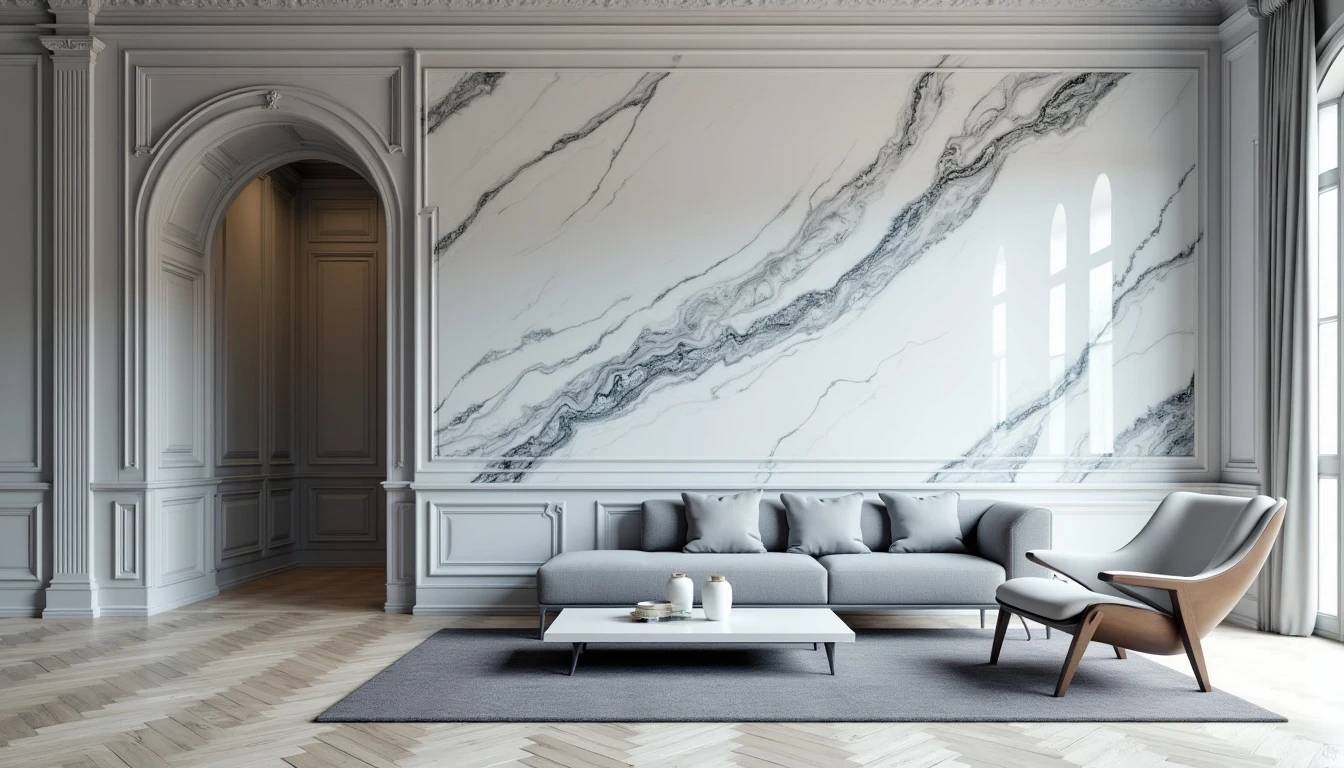
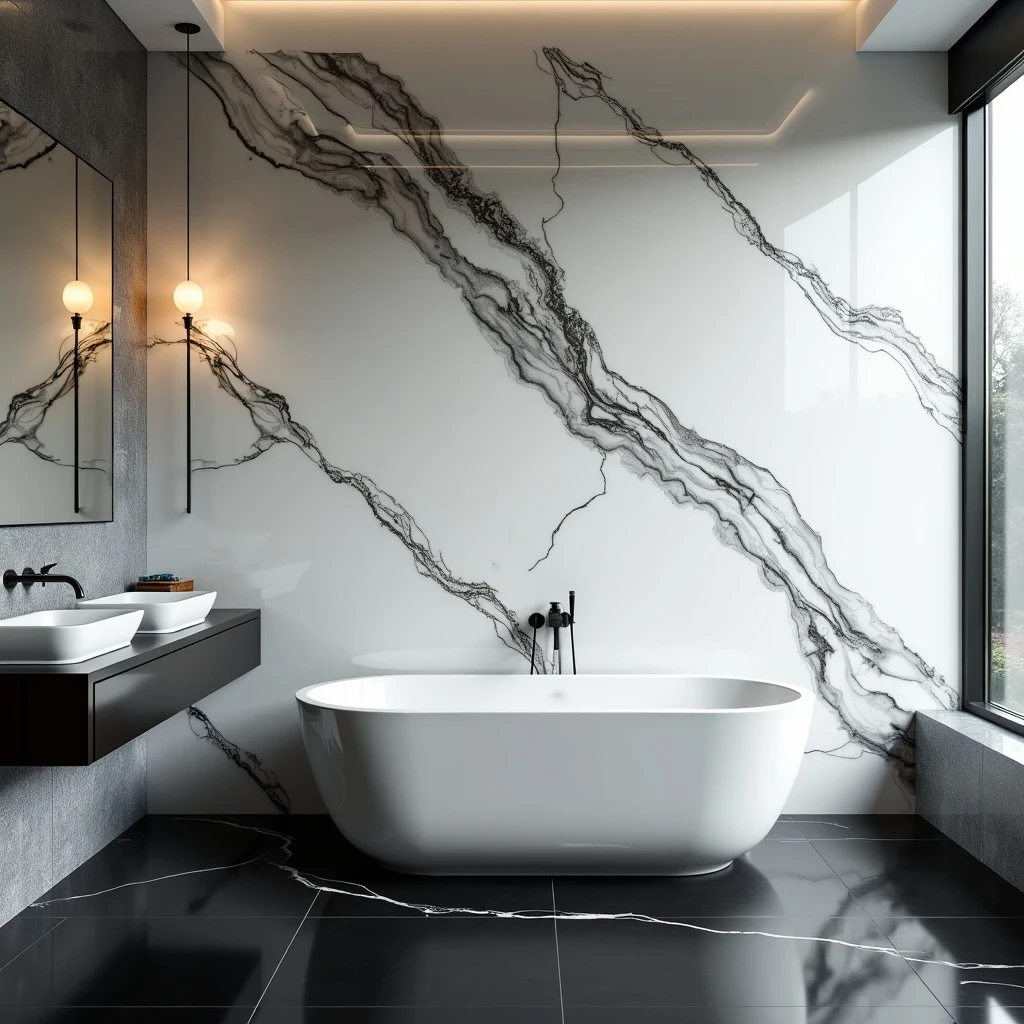
Original Italian Venetian stucco that can be polished to a mirror effect.

Description
You are buying the stucco itself in your chosen size (1 to 20 kg), in Bianco white or Nero black; work out the exact amount for your wall area with the calculator on this page.
Prefer a ready-made set? Everything matched and calculated
The same stucco comes in complete kits for your chosen wall area — click a tile to go straight to the set.


See 36 mirror-effect projects in real interiors (2:55)
Before you choose a colour, see how the veined marble effect looks in real interiors.

What you'll see in the video (2:55)
36 inspirations for a veined marble effect with a mirror finish — every project made with products from the Creativo series by Pigio. You'll see intricate vein patterns, from subtle natural shades to bold, dramatic contrasts, to help you decide whether the marble effect is for you. The application technique is covered step by step in our guide How do you create a master-level marbling effect using Venetian plaster.
The calculator on this page will work out the exact amount for your wall area and add the full set to your cart in one click. Prefer to order by phone or ask about tinting?
What is Italian Venetian stucco?
Venetian stucco is a ready-to-use decorative plaster made from marble dust and polymers, following original Italian recipes refined over generations. This stucco comes from the Creativo series by Pigio and is free of impurities — no sand or lumps, and every tub has an extra protective seal. A single material takes you from a matte finish all the way to a mirror-effect gloss. Creativo is also a full series of products you can freely combine — designed not to limit the vision of the client, the professional or the architect to the manufacturer's proposals, but to support imagination.
Venetian stucco properties in practice
| Feature | What it means for you |
|---|---|
| Marble effect with no grout lines | A seamless sheet of marble without a single grout line — an alternative to very expensive marble-effect tiles |
| Matte plus three sheen levels | Satin, high gloss and a mirror-effect gloss in the first and second category — a rarity among stuccos; the finish is decided by polishing, ideally with the original Monocera wax |
| Loves heat | Absorbs heat from its surroundings and releases it easily — a perfect trait for fireplace finishes |
| Tinting without a machine | Achieve any colour with standard paint and plaster pigments |
Where Venetian stucco works best
- bathrooms and kitchens,
- fireplaces — the material absorbs and releases heat,
- any room and any style — paired with metal, glass, stone and wood,
- decorative schemes combined with metallisers and gold, copper and silver decorative foils.
You'll find more materials of this type in our Venetian stucco catalogue.
Why both DIY investors and professionals choose Pigio stucco
If you're doing it yourself:
- tint it any colour with ordinary pigments — no tinting machine needed,
- create a grout-free marble effect instead of buying very expensive tiles,
- one material gives you matte and three sheen levels, all the way to a mirror,
- extend the decoration with metallisers and foils — gold, copper, silver.
If you're a professional:
- Pigio was founded decades ago by professionals for professionals, with a policy of training applicators,
- the batch is free of impurities — no sand or lumps, and every tub has an extra protective seal.
You can download the application instructions and the PDF catalogue in the downloads section at the bottom of this page, and ready-made sets for your chosen effect — with this stucco included — are waiting in Related products.
Frequently asked questions about Venetian stucco
How much Venetian stucco do I need per m²?
Coverage is 0.2–0.3 kg per 1 m² per coat — it depends strongly on your skill and the chosen pattern — and the maximum number of coats is 5. Assuming 3 coats, a 2 kg tub covers 3–4 m², 5 kg covers 8–9 m², and 20 kg covers 33–35 m². Work out the exact amount for your wall area with the calculator on this page.
How long does the stucco dry and when can I polish it?
Drying time is around 8–12 hours. Trowel polishing is done when the wall is cold but dry; machine polishing when the material is dry — about 12 hours after application or one hour after trowel polishing. Use grit 400 and 800 for sanding, and wet sandpaper 1500, 3000 and optionally 4000 for polishing.
Can I apply Venetian stucco myself?
Yes — the stucco is applied with an Inox trowel, ideally a flexible Venetian trowel or a sharpened rigid Venetian trowel, and the tools wash off with water. Apply each coat as thinly as possible — the “zero” method; a coat that is too thick is an application error that can make the layers separate from each other during polishing. The whole marbling process, step by step and with a video tutorial, is covered in our marbling guide — you'll find the link in the related guides at the bottom of this page.
Which rooms is Venetian stucco suitable for?
Venetian stucco is intended for interior use and suits any room and any style — including bathrooms and kitchens. It pairs beautifully with metal, glass, stone and wood, and because it loves heat — absorbing it from its surroundings and releasing it easily — it also works as a fireplace finish.
What colours can I buy, and can I create my own shade?
From the factory you can choose Bianco white or Nero black. Any other shade can be achieved by tinting the stucco with standard paint and plaster pigments — no tinting machine needed.
What sheen levels can I achieve?
Four finishes from a single material: matte plus three sheen levels — satin, high gloss, and a mirror-effect gloss in the first and second category, which is a rarity among stuccos. The best polishing product is the original Monocera wax; diluting the stucco itself is not recommended.
How does the stucco effect differ from marble-effect tiles?
Stucco creates a marble effect with no grout lines — a seamless surface tiles can't deliver — and is an alternative to very expensive marble tiles. The pattern also continues without limit — slabs and tiles usually come in just 2–3 matching designs, after which the pattern repeats and the whole stops flowing together. It pairs beautifully with metal, glass, stone and wood, as well as with metallisers and gold, copper and silver decorative foils.
Related guides
- How do you create a master-level marbling effect using Venetian plaster Venetian stucco · Guide with video
Technical Data
| You are buying | the Venetian stucco itself, in the container size of your choice |
| _______________ | |
|---|---|
| Consumption | 0.2 - 0.3 kg per 1m2 per coat |
| Drying time | around 8 - 12h |
| Max number of coats | 5 |
| Polishing | best with the original Monocera wax |
| Diluting | dilution is not recommended |
| Tool cleaning | with water |
| Use | interior |
| Application | Inox trowel, preferably a flexible Venetian trowel or a sharpened rigid Venetian trowel |
| _______________ | |
| Coverage per pack, assuming 3 coats | |
| 2kg | 3 - 4m2 |
| 5kg | 8 - 9 m2 |
| 15 kg | 24 - 26 m2 |
| 20 kg | 33 - 35 m2 |
| _______________ | |
| Polishing | |
| With a trowel | when the wall is cold, but dry |
| Machine polishing | when the material is dry, i.e. around 12 h after application or 1 h after polishing with a Trowel: |
| Sanding paper grits | 400 and 800 |
| Wet sandpaper grits for polishing | in sequence 1500, 3000 and optionally 4000 |


